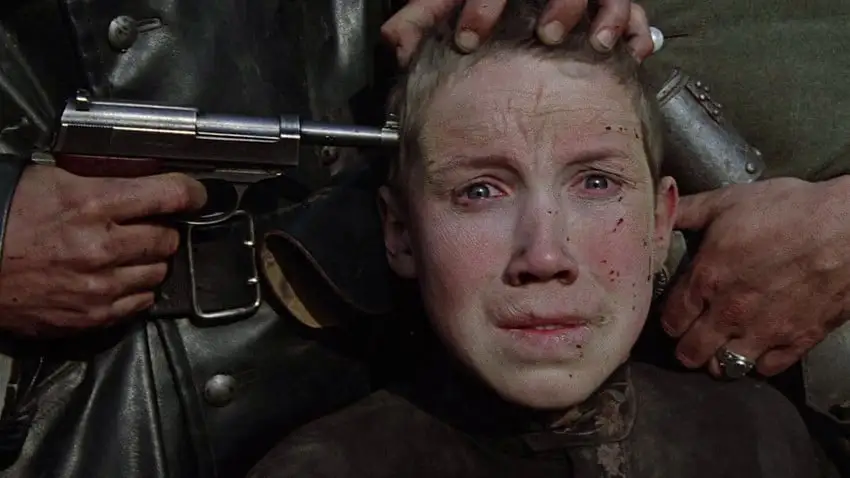
Kenneth Anger, Demon Brother leaves the Pleasure Dome

No ha pasado un año del traspaso de Godard cuando dicen que ha fallecido Kenneth Anger, el otro gran inmortal de la Historia del Cine. Parafraseando el título de uno de sus films más alucinantes, en su despedida invocamos a su hermano demonio, Aleister Crowley: “I slept with faith and found a corpse in my arms on awakening; I drank and danced all night with doubt and found her a virgin in the morning.” (The Book of Lies)… aunque en el fondo siento que “I’ve written this to keep from crying. But I am crying, only the tears won’t come” (Diary of a Drug Fiend).


This is the end, beautiful friend, the end

En los años 80, tuvimos una maratón revelación de Anger en la sala Metrònom, aunque nunca se sabe qué versión se contemplaba ya que el californiano remontaba continuamente sus obras, en el que algunos espectadores la sala ante la intensidad de su cine. Algunas de obras parecen rodadas dentro de un helicóptero. En concreto, la banda sonora de Invocation to my Demon Brother es una infernal banda de decibelios compuesta por un Mick Jagger oscuro en estado de gracia de inquietante (un año antes, en 1968, había montado Sympathy for the Devil y uno después, en 1070, colaboraría en la locura del Performance de Nicholas Roeg). Se asegura que la primera versión fue enterrada en el desierto del Valle de la Muerte por el sonidista, discípulo de Charles Manson.


And the same day as the Godfather of Experimental Cinema, the other Acid Queen, Tina Turner, the princess of the Thunderdrome, also leaves the stage of the Pleasure Dome.


7 de junio de 2023. Don`t dream, be it. Aunque no lo creáis, Aula de Cinema, hubo un tiempo no tan lejano en que la indigencia cultural reinante nos obligaba a ir a buscar discos en autostop hasta Londres, como sucedió con la BSO del deslumbrante canto a la libertad que es The Rocky Horror Picture Show, una fascinante fábula con todos sus participantes en estado de gracia y una de mis películas preferidas. Hoy (regaño anticipado de cumpleaños) en la Filmoteca, I’ll see «blue skies through the tears in my eyes, I’m going home».


21 de enero de 2022. Meat Loaf dies at 74. When I was young, I went looking for this Original Soundtrack through all Europe. Eddie!!!
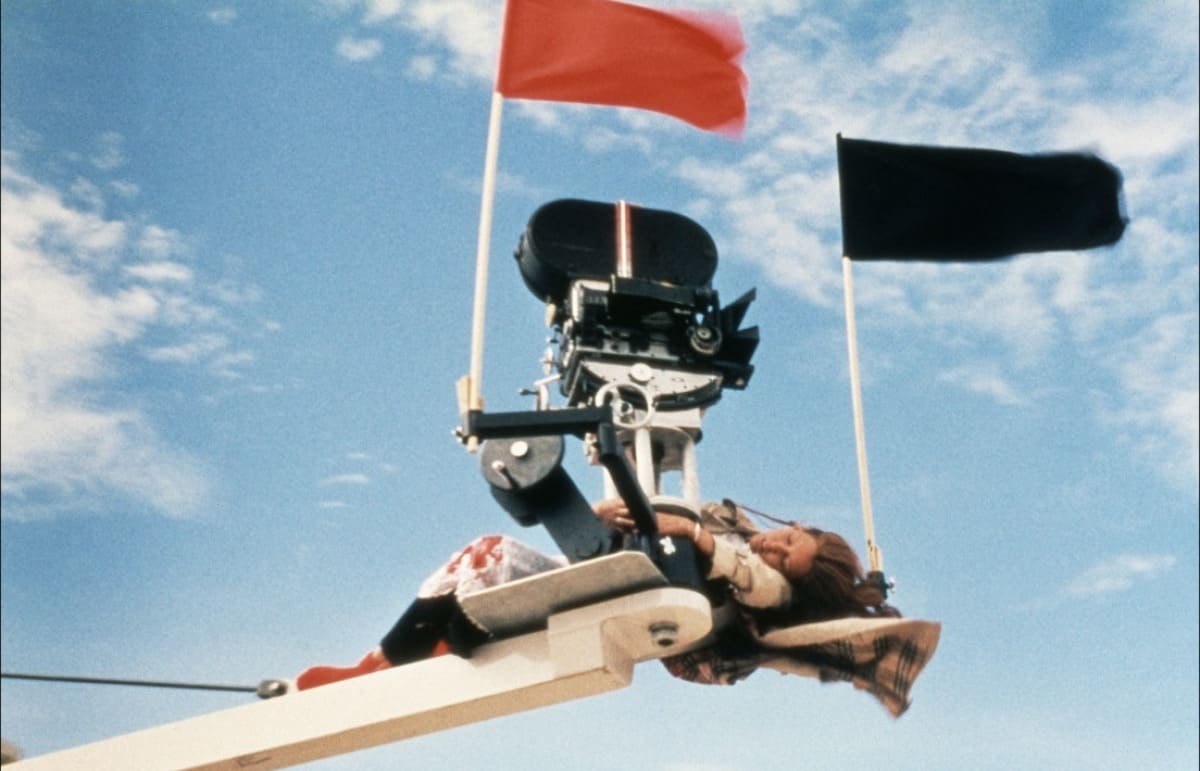
Art as a revolutionary tool of knowledge and action, and the effort it takes

In the 70s, symbolist critics damaged the appreciation and the scope, including the political one, of great artists. «What has the creator intended to say?» And that has nothing to do with the work, knowledge and empowerment that certain art works can give. You don’t have to «understand», you have to decide what you think about what is proposed to you. Great artist leave a lot of space and action to be taken by the «spectator». On the other hand, we have the capitalistic will of digesting any revolutionary initiative. They promote the «emotional» approach, so you just consume it with commercial and apolitical motivations: «this painting gets to me, emotions me» (that’s why, for example, the Impressionist are so popular). Both approaches are asking you taxatively: «don’t think, don’t think for yourself». So the just walk through or ignore it and relate to more «popular» productions, soap operas, series, TV mainstream, is also brutalizing. Art is not just semiotics or emotion, it can be a revolutionary tool, as much for knowledge as for action. Some amount of effort and study is needed for everything, including revolutionary action. The spark of your commitment may be your need to revolt, but you’ll have to read (and some times criticize, discuss, propose alternative) the Classics so you don’t repeat History or sterile approaches. I mean, man, we are all for Paul Lafargue’s The Right to Laziness, but you’ll hace to get of the coach to loan it from the library 😉 Adorno was being provocative when he said «Art is suffering» but it is true that if you want to understand the present capitalist society and start to try to change, you will have to start to understand its instruments such as political though, cultural expression and art currents. Big hug from Spain, J


In answer of Badlander Vtg of the Anarchst Film Makers Group: How much of art history, psychology, film theory I must know in order to enjoy works of Seijun Suzuki, Ingmar Bergman, Jean Luc Goddard, David Lynch etc? I am a very layperson who wants to watch movies like those aforementioned directors but I feel very daunted. Hearing how they and their likes incorporate so much stuff in their movies, I feel that I must do something equivalent of preparing for SATs before I play their movies. I have watched some movies like Stalker and Persona and I feel like a dumbass for not appreciating them in refined manner, but rather with my own crude idea. I know most will say I should simply go ahead and watch since those movies are for all to see otherwise they would have been bound to college courses, think this is me venting out my insecurity and inferiority complex. Now please laugh react.


By the way, Badlander Vtg Dave Downes apart from all I just said 😉 what a beautiful picture you have composed… even if it brings together a humanist, an existentialist, a Marxist libertarian-communist (Godard as you can see by this photo of one of his best and most wild films One plus One-Sympathy for the Devil) and a libertarian pessimist

Judas n the Hood, Portraits of Black Power

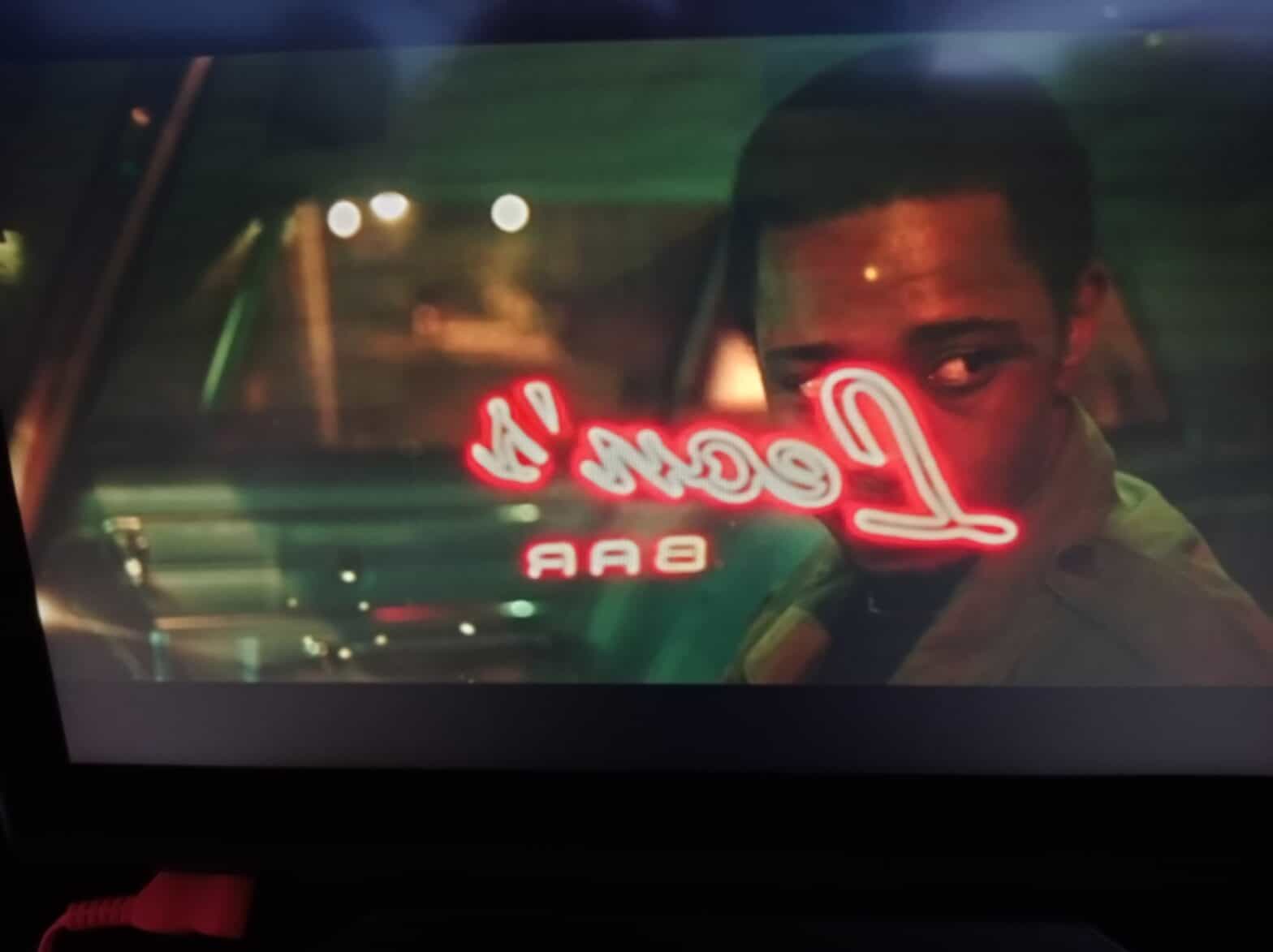
«Coming in from Turkey, from over the border/Flyin’ in a big airliner» he elegido para ver Judas and the Black Messiah, de Shaka King, para ver como on board movie, sobre la pasión y muerte de Fred Hampton, los Panteras Negras y la Rainbow Coalition. Y me ha venido a la cabeza un documental que vi y cuyo nombre he tratado desesperadamente de recordar en que una activista va anotando con calma de camarera los tipos sanguíneos de sus camaradas just antes del asalto de la policía a una de sus sedes. Porque ni siquiera las dramatizaciones de Clockers de Spike Lee ni Boyz n the Hood de John Singleton, tal vez un poco The Wire, ya no digamos las bienintencionadas fábulas del entrañable Mario van Peebles, consiguen llegar a rozar el poder de las convulsas imágenes en blanco y negro de la época. Del Black Power. A su espíritu revolucionario, es posible que sólo las reformulaciones radicales (como las trascendencias de Apocalypse y Aguirre con El corazón de las tinieblas) de Vardà (Black Panthers) o, por supuesto, de Godard (Sympathy for the Devil/One plus One) consigan aproximárseles.

How Capitalism brings the story home:
It wasn’t Giuliani that pacified the Bronx

Rubble Kings: The Real Story Behind The Most Famous Scenes In ‘The Warriors

Judas & Black Messiah:
Every Real Group Besides Black Panthers Explained


4 de mayo de 2023. Llaman veteranos a máquinas racistas de matar que han formado y luego dejado sueltas por ahí. Contrario a los bulos, según las estadísticas es mucho más probable que las personas sin techo sean víctimas de un crimen que lo perpetren. Como en la escena de una película de terror de Jordan Peele, el resto de los pasajeros ayudó y aplaudió a los asesinos.